 Free
New
Free
New
Home › Templates › Finance › Pocket
Finance dashboard template
Pocket Personal Finance Dashboard Template
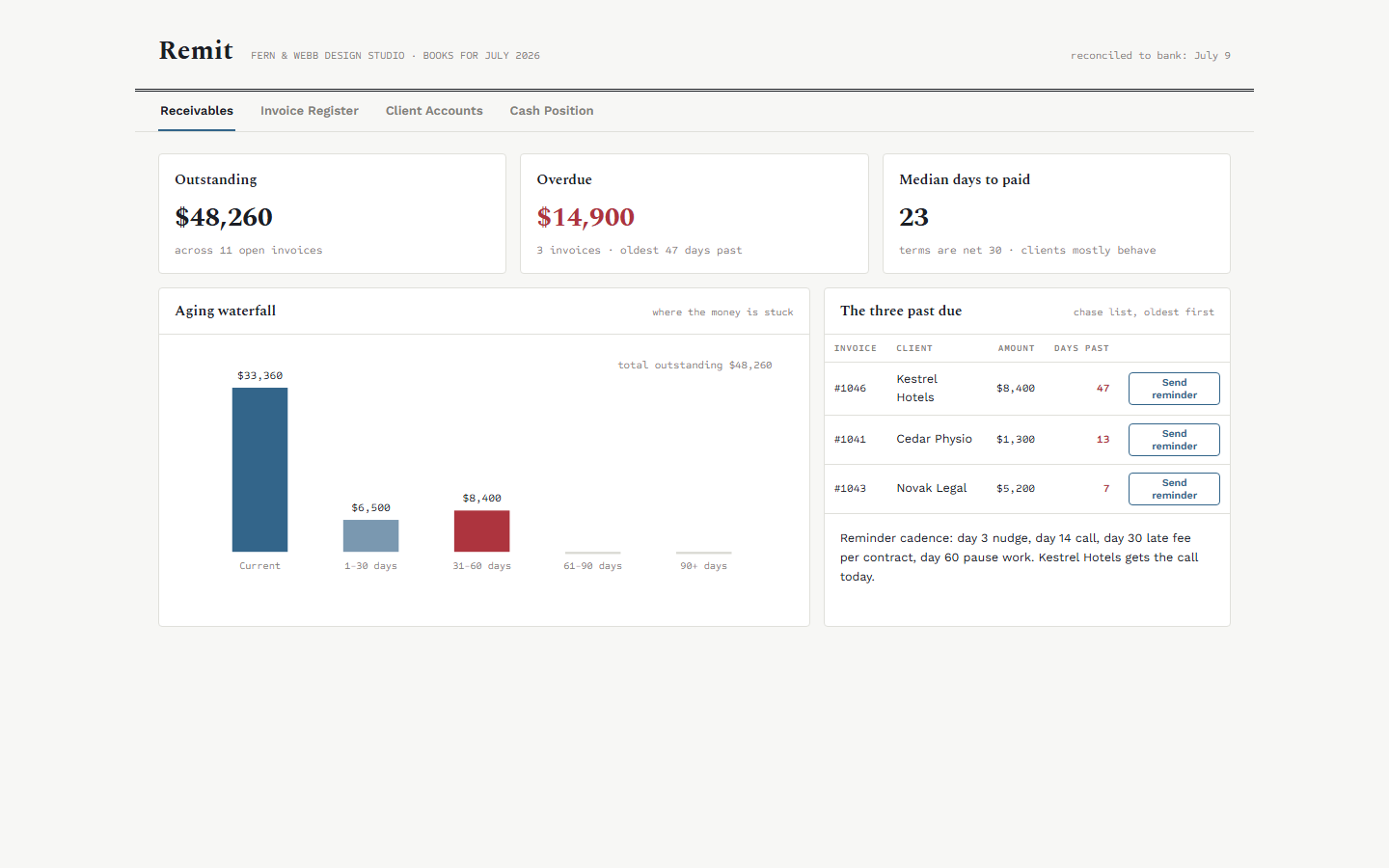
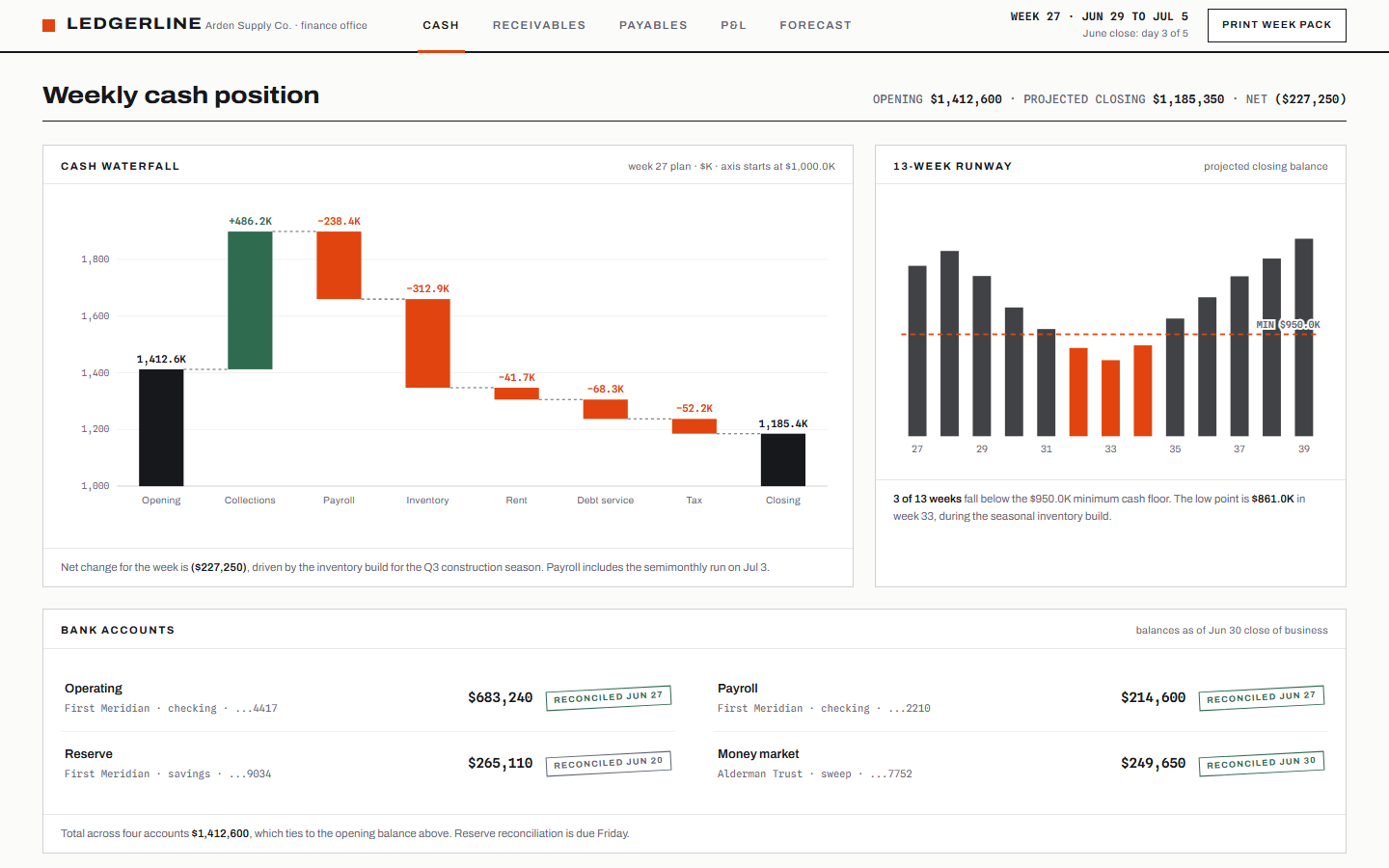
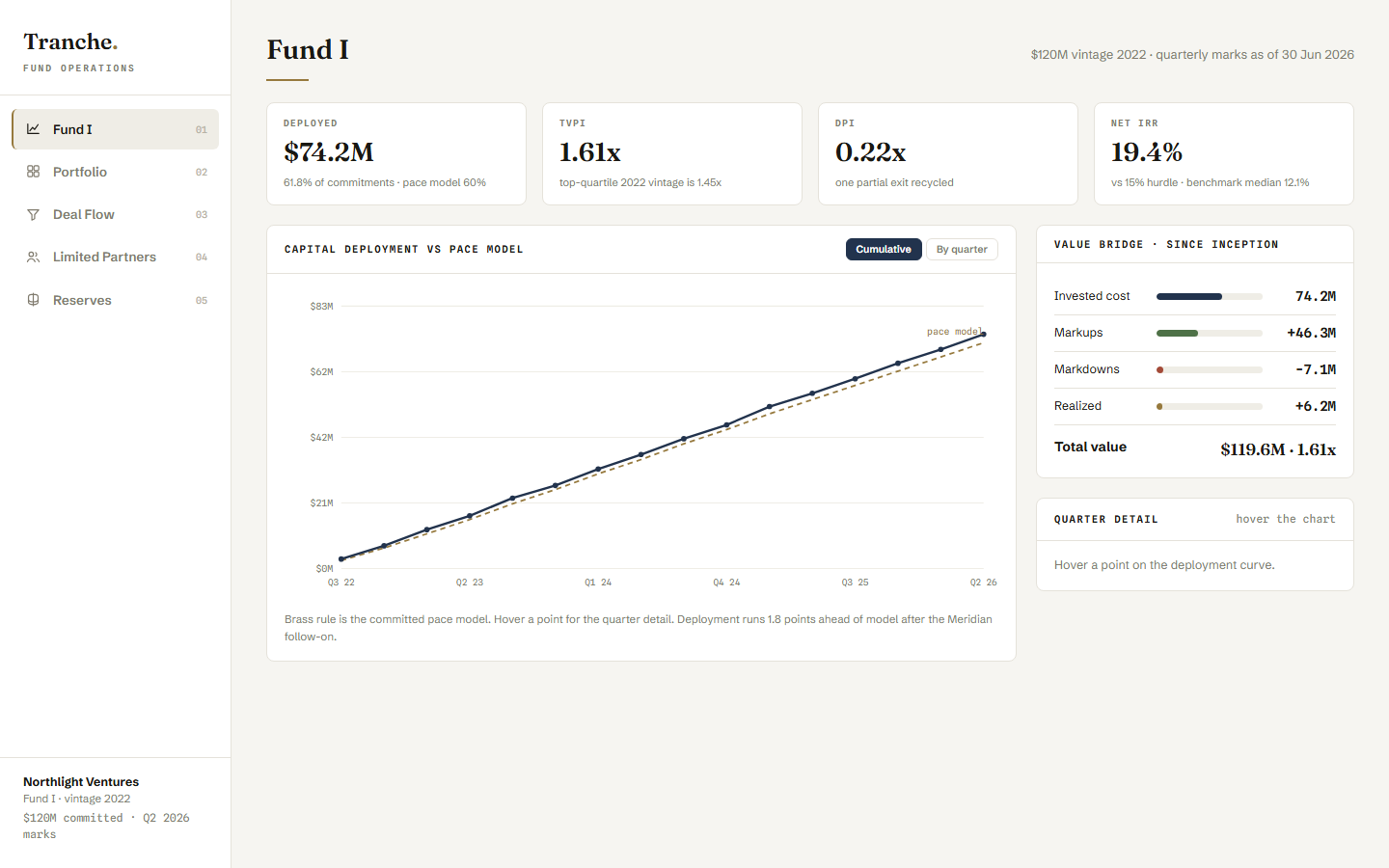
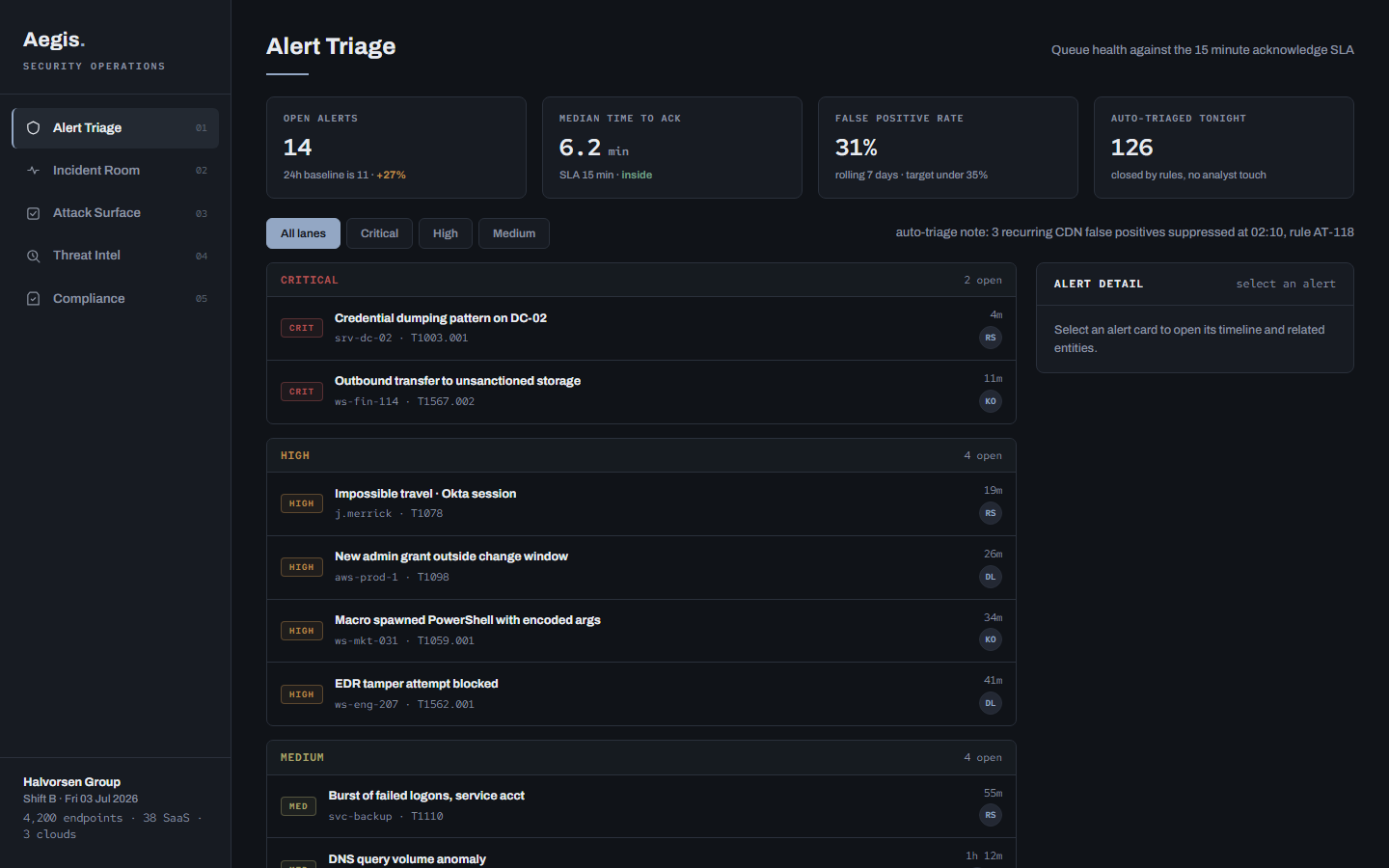
Pocket is a single-file HTML dashboard for household budgeting: envelope spending, a transaction ledger, savings goals, and a 12-month net worth view.
Pocket is a personal finance dashboard template built around the envelope budgeting method. It is one self-contained HTML file with five tabs, This Month, Envelopes, Ledger, Goals, and The Year, tracking a fictional two-income household, the Alvarez family, through July 2026. Open the file and everything runs in the browser with no accounts and no connections.
Pocket's This Month tab leads with a left-to-spend figure computed live from the envelope data, $1,199 left of $2,400 budgeted on day 9 of 31, next to $1,140 saved at 19% of take-home against a 20% goal and a net worth of $87,410. A cashflow waterfall walks $6,000 of take-home pay through rent, envelopes, insurance, debt payment, and goals to the $1,140 saved, and a watchlist panel flags the dining envelope at $312 of a $340 cap. The Envelopes tab holds 8 envelope cards with spent and remaining tracks; click one envelope then another to move $25 between them, and over-budget envelopes turn red. The Ledger tab lists July transactions filterable by envelope, a subscription audit sorted by monthly cost with last-used dates and flag-to-cancel actions that compute yearly savings, and a cash versus card split of 71% debit, 18% credit, 11% cash. Goals shows four targets with progress bars, including the card payoff at 22.9% APR, plus a written order-of-operations rationale. The Year charts 12 months of net worth, $76.1K to $87.4K with the March furnace repair circled, and monthly savings rates against a dashed 20% goal line.
What is inside Pocket
- Left-to-spend figure computed live from the 8 envelope budgets, with month-elapsed context
- Cashflow waterfall walking $6,000 of take-home pay through 5 outflow steps to $1,140 saved
- Watchlist panel calling out the dining envelope at $312 of $340 and two subscription increases
- 8 envelope cards with spent and remaining tracks, a red over-budget state, and click-to-move transfers of $25
- July ledger table filterable by envelope with signed amounts
- Subscription audit sorted by monthly cost, with last-used dates and flag-to-cancel actions that compute yearly savings
- Cash versus card split bar: debit 71%, credit 18%, cash 11%
- Four savings goals with progress bars and plain notes, including a 22.9% APR card payoff
- Net worth line across 12 months, $76.1K to $87.4K, with the March furnace dip circled and labeled
- Savings-rate bars by month against a dashed 20% goal line
Who Pocket is for
Pocket serves households running a monthly budget, who use the envelope view as the working surface, checking what is left per category before spending rather than reviewing what was spent after.
People paying down card debt watch the goals view, where the 22.9% APR balance is ranked second only to the emergency fund, with a payoff date at the current pace.
Financial coaches and advisors use the layout with clients, because the watchlist and the order-of-operations note explain the reasoning, not only the numbers.
Developers building a budgeting product use the file as a finished front end, wiring their own persistence behind the envelope transfers and filters.
When to reach for it
Pocket fits a household whose spreadsheet budget breaks every month. The template fixes the structure: envelopes, ledger, and goals read from labeled arrays, so a new month means editing numbers, not rebuilding formulas.
It fits anyone who wants the envelope method without a subscription app. The click-to-move interaction models the real habit of covering a dining overage from the car fund, and the budget resets on the 1st.
It also works as a teaching artifact. The watchlist prose, the savings-rate goal line, and the furnace annotation on the net worth chart show what a honest household finance page should say out loud.
Specifications
| Format | Single self-contained HTML file; zero dependencies, no build step |
|---|---|
| Theme | Envelope Green |
| Mood | Light |
| Category | Finance |
| Price | $6.99, one-time |
Frequently asked questions
Is this a working budget app?
No, Pocket is a front-end template with sample household data, not a connected app. The interactions, envelope transfers, ledger filters, and cancel flags, all run in the browser and update the display, but nothing persists between loads. It is the right base for wiring your own storage.
How do I put my own budget in?
Your own budget goes into the labeled arrays at the top of the script: ENVS for envelopes, LEDGER for transactions, SUBS for subscriptions, GOALS for savings goals, and NW and SR for the yearly charts. Edit the numbers and every card, chart, and computed total re-renders.
Why envelopes instead of spending categories?
Pocket uses envelopes instead of spending categories because the envelope method gives each spending area a fixed monthly amount and shows what is left, not what was spent. The click-to-move interaction models the real habit of covering an overage in one envelope from another.
Does it work on a phone?
Yes, Pocket works on a phone: the grids collapse to a single column under 1000px and the tab bar wraps, so all five views stay usable on a narrow screen. Every chart is inline SVG that scales to its container width.